An appeal is a legal process where a party requests a higher court to review and potentially change the decision of a lower court. It is not a fresh trial—you cannot argue your entire case from scratch. Instead, you’re asking the appellate court to check whether the lower court made a legal error that affected the judgment.
In India’s judicial system, appeals are a fundamental right, allowing individuals to seek redress if they believe a legal mistake occurred. The appellate court limits its review to legal issues, not reweighing evidence or trying facts again.
Why Appeals Matter for Judicial Transparency
Appeals serve three critical purposes in India’s democracy:
As a legal journalist covering 12+ years of Indian jurisprudence, I’ve witnessed how appeals bridge the gap between complex legal jargon and public understanding—making justice accessible to all.
Types of Appeals in India
1. Civil Appeals (Under CPC)
Provision: Section 96 of the Code of Civil Procedure (CPC)
Purpose: Challenge decrees in civil matters (property, contracts, family law)
Example: appeal against a judgment on property dispute
2. Criminal Appeals (Under BNSS)
Provision: Bharatiya Nagarik Suraksha Sanhita (BNSS)
Purpose: Challenge conviction or sentence
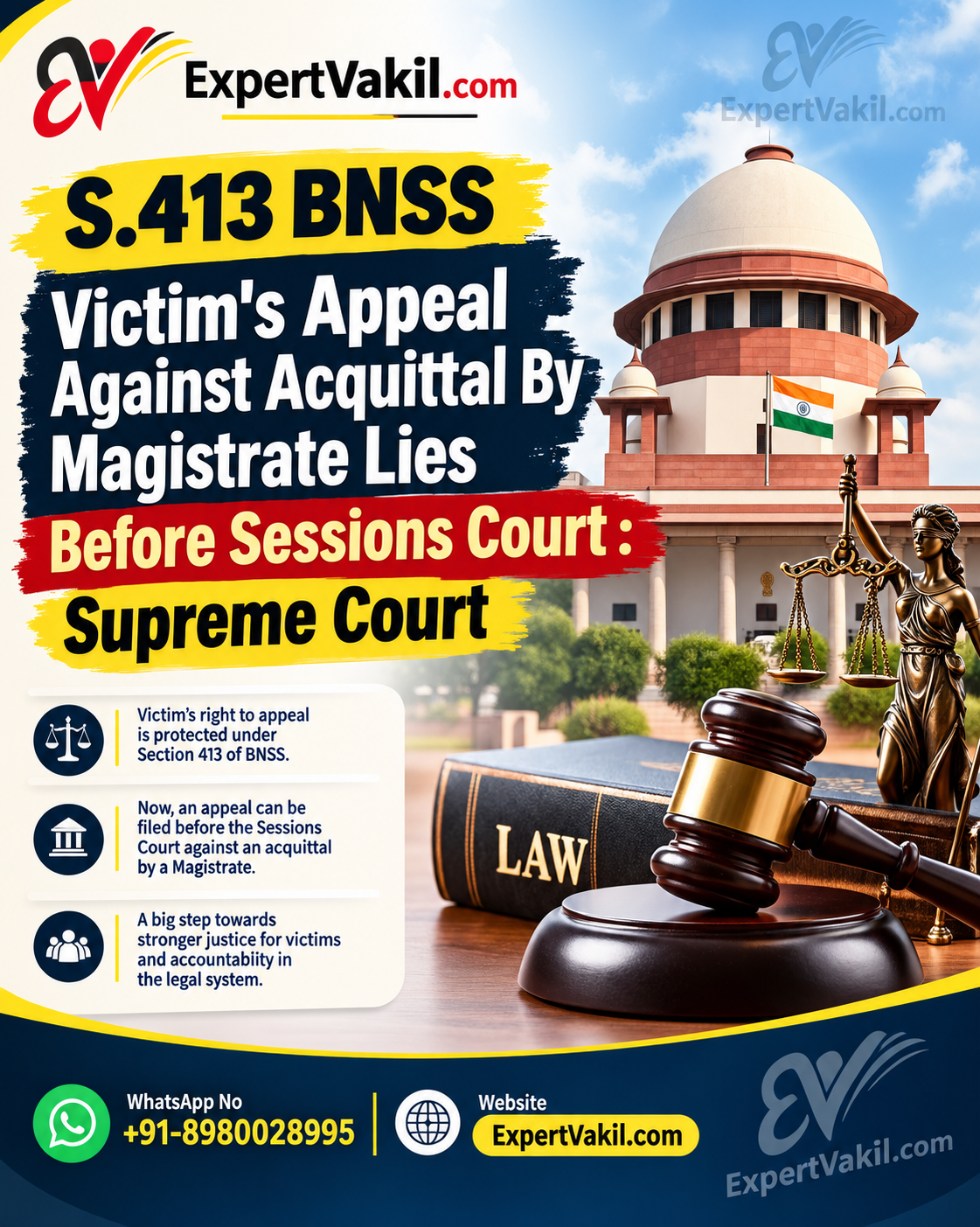
Examples: appeal against death sentence, imprisonment, or acquittal
3. Letters Patent Appeal (LPA)
Court: High Court only
Purpose: Appeals from original jurisdiction judgments
Common in: commercial disputes, intellectual property
4. Special Leave Petition (to Supreme Court)
Court: Supreme Court of India
Purpose: Appeal when no specific right of appeal exists
Used for: substantial questions of law
Limitation Period for Appeal: Complete Timeline
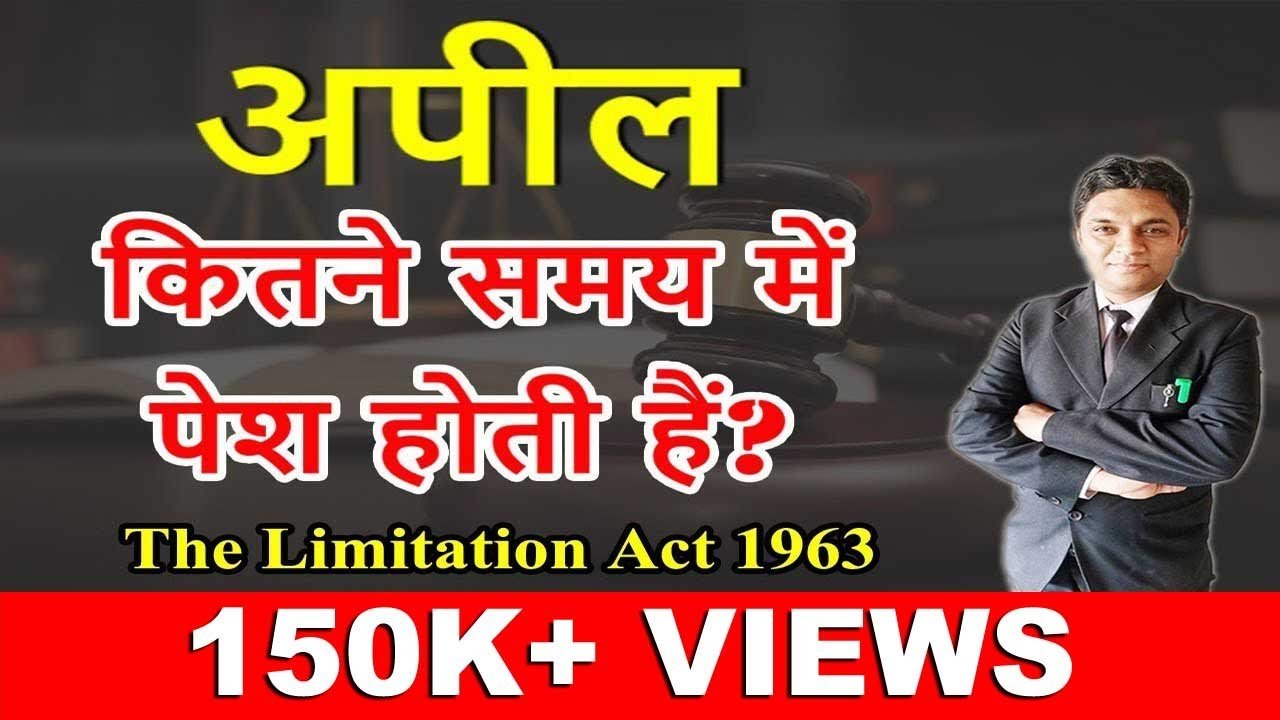
The Limitation Act, 1963 (Article 116) prescribes specific time limits for filing appeals. Here’s the comprehensive breakdown:
Civil Appeal Limitation Period
Criminal Appeal Limitation Period
Supreme Court Appeal Limitation
Key Rule: Article 116 of the Limitation Act states:
90 days for appeal to High Court
30 days for appeal to any other court
What Happens If You Miss the Limitation Period?
Consequences
Right to Appeal Lost: The court may reject your appeal as “time-barred”
No Automatic Extension: Limitation is strict unless you prove sufficient cause
Remedies
Section 5 of Limitation Act: Apply for explanation of delay if you have genuine reasons (illness, mistake, fraud)
Condonation of Delay: Higher courts may accept delayed appeals if you demonstrate:
The delay was not intentional
You acted diligently
There’s substantial justice at stake
⚖️ Critical Tip: File within the limitation period. Courts rarely condone delays without strong documentation.
How to File an Appeal: Step-by-Step Process
Obtain Certified CopiesSecure certified copies of the judgment, order, and all evidence from the lower court
Draft the Appeal PetitionInclude:
Grounds of appeal (specific legal errors)
Facts of the case
Relevant legal provisions
Prayer for relief
Serve Notice to RespondentFormally inform the opposing party about the appeal proceedings
File in Appropriate CourtSubmit along with:
Certified judgment copies
Appeal petition
Supporting documents
Court fees
Prepare for HearingWork with your lawyer to build arguments supported by legal precedents
Real-World Example: Understanding Appeal in Practice
Case Scenario:A property dispute in Ahmedabad where the Civil Judge awarded 70% ownership to Plaintiff A. Defendant B believes the court misinterpreted the registration deed.
Appeal Process:
B files First Appeal to District Judge within 30 days
Argument: Lower court made legal error in interpreting Section 17 of Registration Act
District Judge reviews only legal issues, not re-examines evidence
If District Judge dismisses, B can file Second Appeal to High Court within 90 days
Frequently Asked Questions (FAQs)
Q1: Can I appeal any court decision?
No. You can only appeal:
Decrees (not informal orders)
Final judgments (not interim orders unless specified)
Cases where law grants appeal right
Q2: Is the limitation period the same for all courts?
No. It varies by court:
High Court: 90 days
District/Other courts: 30 days
Q3: What if I’m outside India during the limitation period?
You may apply for condonation of delay under Section 5, proving the delay was due to genuine circumstances.
Q4: Does appeal mean a fresh trial?
Absolutely not. Appeal is a review of legal errors—not a re-trial of facts.
Why This Matters for Legal Transparency
As a legal journalist documenting India’s judiciary for over 12 years, I’ve seen how clear communication about appeals strengthens judicial accountability. When citizens understand:
What an appeal is
When to file it
Where to file it
They become active participants in democracy, not passive recipients of justice. This knowledge bridges the gap between intricate legal jargon and general understanding—exactly what judicial transparency demands.
Key Takeaways
Stay informed. Stay empowered. For more expert analysis on Indian law, visit ExpertVakil.com.