Daughter’s Rights in Father’s Property: Complete Legal Guide India 2026
Daughters in India now enjoy strengthened legal claims to their father’s property, thanks to landmark reforms promoting gender equality. These rights vary by religion, property type, and whether a will exists, but pivotal changes have empowered women across communities.
Hindu Law Framework
Under the Hindu Succession Act, 1956, as amended in 2005, daughters are coparceners by birth in ancestral property, holding equal rights to sons regardless of marriage or birth date. This applies retrospectively, even if the father died before 2005, as clarified in Supreme Court rulings.
Ancestral property—passed undivided for four generations—devolves by birthright, while self-acquired property follows intestate succession if no will exists, dividing equally among Class I heirs like sons, daughters, and widow.
Daughters cannot claim during the father’s lifetime but can seek partition post-death; a valid will may override shares in self-acquired assets only.
Landmark Supreme Court Rulings
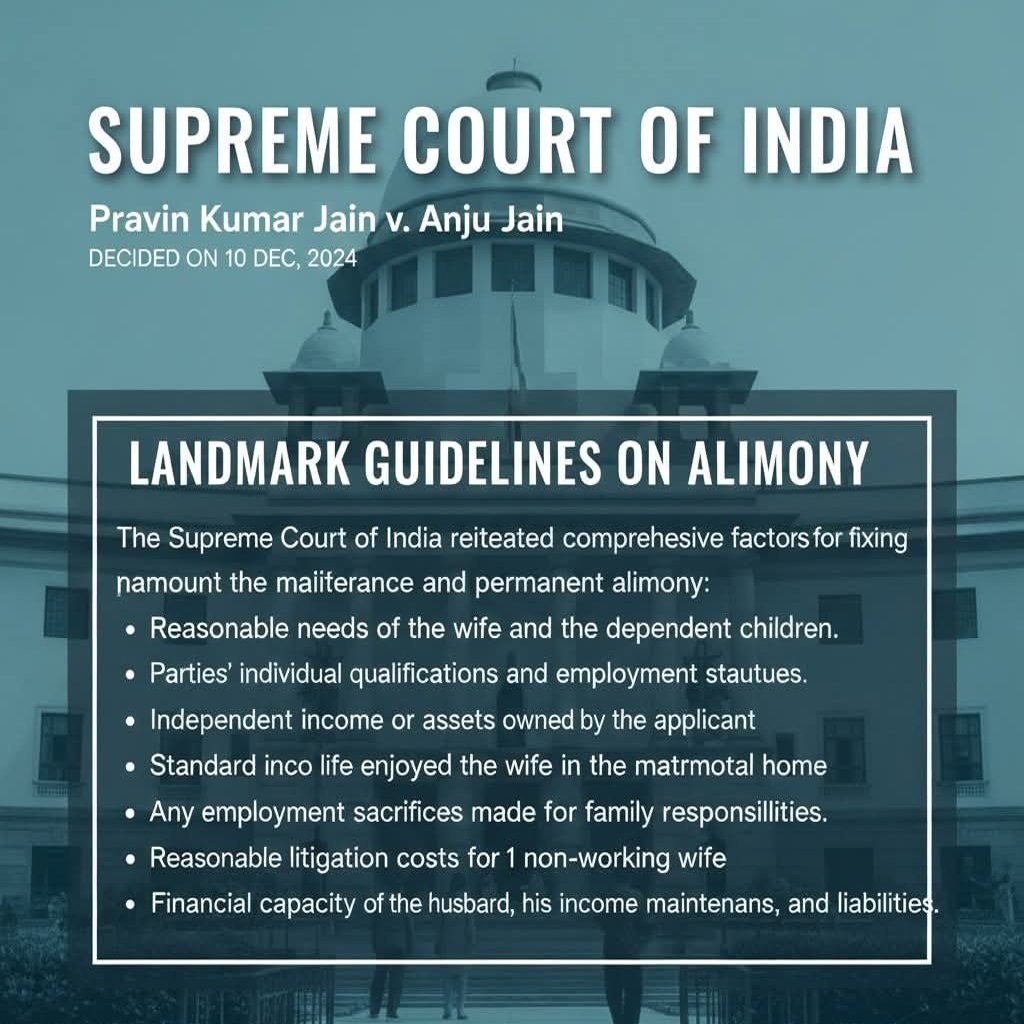
The Vineeta Sharma v. Rakesh Sharma (2020) judgment affirmed daughters’ coparcenary rights by birth, independent of the father’s survival in 2005, resolving prior conflicts like Prakash v. Phulavati. This ensures equal shares in joint family property, with daughters sharing liabilities like debts too.
Recent rulings, including 2025-2026 affirmations, uphold that wills cannot disinherit daughters from ancestral portions, promoting judicial transparency in disputes.
Ancestral vs Self-Acquired Property
| Property Type | Daughter’s Rights | Key Notes |
|---|---|---|
| Ancestral (HUF) | Equal coparcener share by birth, like sons | Retrospective; partition possible; unaffected by marriage |
| Self-Acquired | Equal Class I heir if intestate | Father can will freely; no lifetime claim |
This table highlights distinctions: ancestral triggers birthrights, self-acquired hinges on succession rules.
Rights Across Religions
For Hindus, Jains, Sikhs, and Buddhists, the 2005 amendment equalizes shares. Muslims follow Sharia: daughters get half a son’s share (e.g., in residue after fixed heirs like wife at 1/8th), divided equally among sisters.
Christians and Parsis fall under the Indian Succession Act, 1925: children inherit equally per capita as tenants-in-common, with spouse and lineal descendants prioritized; no gender bias.
Married status does not bar claims in any system post-reforms.
Claiming Rights: Practical Steps
File a partition suit in civil court for ancestral shares or seek succession certificate for self-acquired assets. Time limits apply (e.g., 12 years for possession suits); consult local revenue records and family settlements to avoid litigation.
Evidence like birth certificates and property deeds strengthens cases; legal aid via family courts aids transparency.
Common Exceptions and Challenges
Daughters lose claims if excluded by a valid will on self-acquired property or if the father gifted/sold it legally during life. Pre-2005 partitions may bind if unchallenged, and High Court rulings (e.g., Chhattisgarh 2025) deny claims if death predates amendments without pending suits.
Family disputes often arise from ignorance; wills must specify intentions clearly to prevent overrides on coparcenary rights.
Recent Developments (2025-2026)
Courts continue affirming equality, with 2026 analyses noting no dilution of Vineeta Sharma despite new partition suits. Rising awareness drives more claims, emphasizing documentation for Gujarat-like regions.
Post a comment
Related Posts
March 25, 2026
Will Stopping Payment of a Cheque Result in a Cheque Bounce Case?
A cheque “bounces” when a bank refuses payment due to insufficient funds, signature mismatch, or—crucially—stop…

March 23, 2026
If Brother or Father Withholds Ancestral Property Share
Daughters in India now enjoy equal rights to ancestral property as sons, thanks to landmark…

March 23, 2026
What is an Affidavit? How to Make an Affidavit
An affidavit is a sworn written statement used as evidence in Indian courts and legal…